

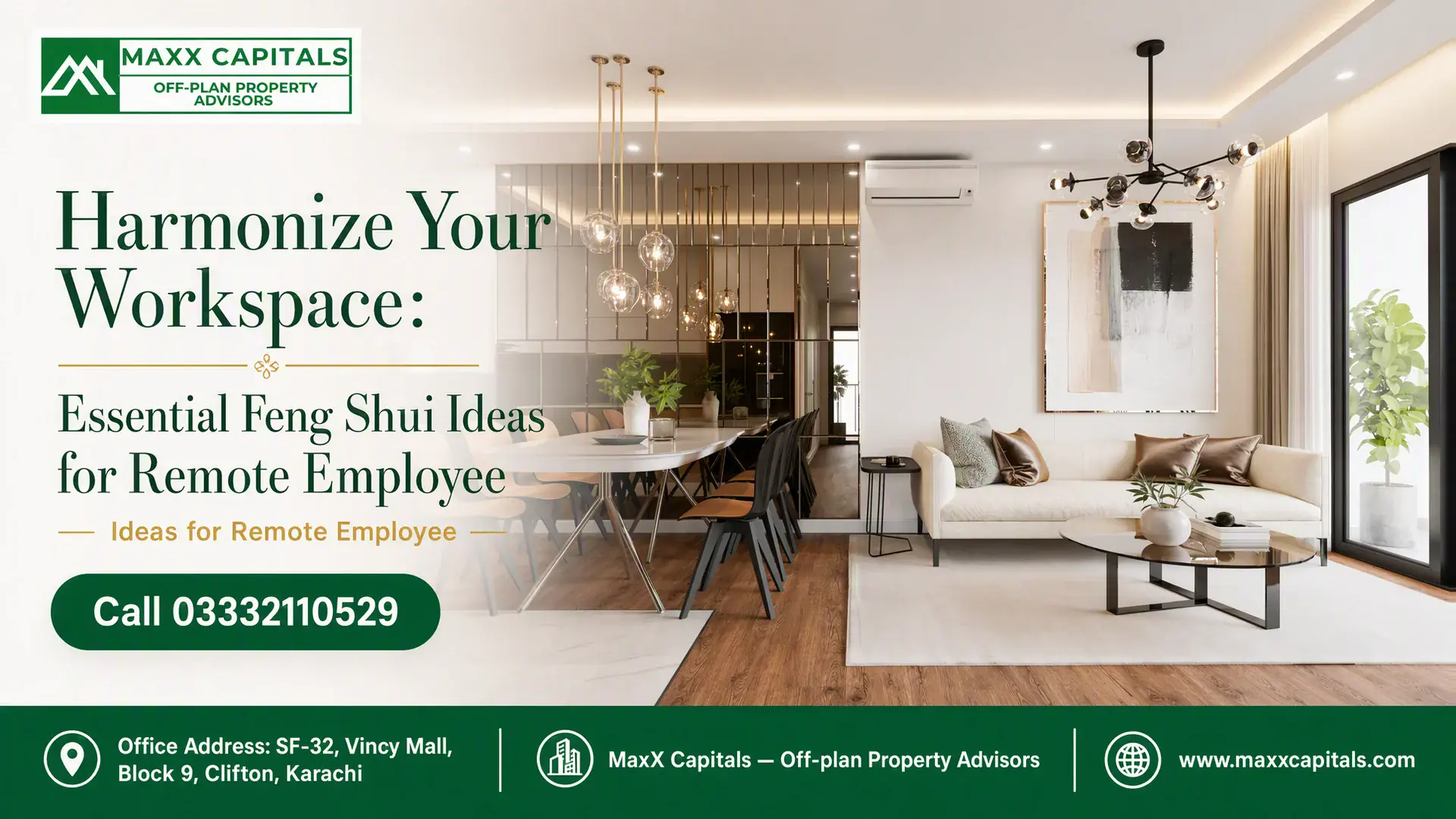
Interior design allows homeowners to turn a living space into a canvas for personal expression. When making the right design choices, individuals can incorporate their own unique styles and personalities into each room of their homes. It doesn’t matter whether you’re a seasoned interior designer or a homeowner starting your first renovation project; as long as you understand certain fundamentals, you can ensure a successful outcome.
Quick Navigation (Tap to view 6 sections)
Although there seems to be an endless number of design approaches to choose from, many of them fall into two broad categories—minimalism and maximalism. By knowing the core concepts of each style and how they differ, you can make smart design choices that best suit your preferences and create spaces that help bring your vision to life.
Understanding Minimalist Design
Creating a minimalist design is all about focusing on simplicity. It’s primarily focused on creating clean lines, decluttering living spaces, and incorporating subtle elements that make a big difference in the look and feel of a space. Every visible item in a living space should have a clear purpose.
Most minimalist design projects are themed around creating tranquil settings like quiet rooms or meditation areas. To achieve this, furniture is chosen carefully to best optimize space, while natural colors and textures help to create an open, airy feel. The result is a calming environment that can serve a variety of purposes.
How to Achieve a Minimalist Look
Several core principles are followed when aiming for a minimalist aesthetic in interior design. These include:
- Streamlining Your Space: This central idea focuses on the deliberate selection of design components while preferring those that minimize distractions and maximize functionality. This ensures that every element in the space has a clear purpose and prevents needless clutter.
- Choosing Lasting Design Elements: A minimalist approach also involves making long-term investments in materials and furniture. This means choosing elements designed to last longer instead of over-accumulating various items that are rarely used or poorly constructed. This philosophy of quality over quantity applies whether you’re remodeling a kitchen or expanding a living space.
- Using Neutrals Effectively: Minimalist spaces typically have a limited palette of neutral colors, such as white, gray, and beige. These colors are known for being more calming and can also help to increase feelings of spaciousness. They can also help provide a more subtle backdrop, highlighting the natural materials used in furniture in the space.
Relying on Simple Shapes and Structures: Furniture and décor with clean lines are key elements in minimalist design. By eliminating unnecessary ornamentation and focusing on functionality, these pieces help to make a space look less cluttered and more visually balanced.
- Maximizing Natural Light Sources: Minimalist designs often feature open floor plans and large windows to maximize natural lighting. This helps to create a brighter, more open feel and meshes the feeling of being both indoors and outdoors at the same time.
Variations on Minimalist Design
Many people think minimalism is a single style with strict rules. But it’s more like a family of styles, each with its own personality and influences. Below are a couple of common styles when focusing on minimalist design.
Zen-Inspired Minimalism
One of the most common forms of minimalism is inspired by Japan’s rich cultural heritage. Japanese and other zen-inspired minimalism styles offer a unique approach to design and lifestyle choices. They use natural materials like wood and bamboo with other natural elements to create calming and inviting spaces.
Features like shoji screens and tatami mats, which help to add additional personality and charm to a space, are common inclusions.
Mid-Century Design
Mid-century modern design focuses on the aesthetics of the 20th century, blending materials like wood and leather to highlight antique furniture pieces that help to create a signature look. While warm wood tones are common in this type of minimalism, subtle bursts of color are also commonly introduced through vintage artwork or bolder graphic patterns in textiles and flooring.
Creating a Maximalist Aesthetic
Maximalism is a design philosophy that embraces a more fearless approach to color selections and layouts. If minimalism translates to “less is more,” maximalism translates to “more is more” and is considerably less constrained.
In maximalist design concepts, there are no rigid rules, and individuals have much more freedom to make creative use of their space. The primary goal of maximalism is to create a type of “organized chaos” using a carefully curated collection of elements that quickly capture an individual’s attention.
Making Louder Statements with Your Design Choices
Maximalist interior design is achieved through a variety of techniques. Here are some of the key principles:
- Using Color and Pattern with Confidence: Maximalism thrives on the use of bolder colors and a wider mix of patterns. Designers often experiment with contrasting hues or produce unexpected combinations to create a more dynamic and energetic living atmosphere.
- Layering Textures and Patterns: Layering different textures, patterns, and styles helps to add more depth and visual interest in maximalist design concepts. This includes creating contrasting elements, like pairing vintage and modern furniture pieces together to produce a “wow” factor.
- Curating Your Collections: Maximalism also gives individuals more freedom to showcase personal collections or unique objects they’ve collected over the years. These types of displays not only add personality to rooms but also help tell a story.
Different Approaches to Maximalism
Just like minimalism has different formats, maximalism can also be expressed in various ways. A couple of these include:
Hollywood Regency
Hollywood Regency is all about reliving the golden age of Hollywood, which is commonly represented by more luxurious design elements. These can include incorporating silk and velvet fabrics and lacquered finishes on tables and dressers. To add more drama to a space, geometric patterns are often used in sculptures or artwork, as well as chandeliers and oversized mirrors.
Bohemian Style
Bohemian maximalism uses a more culturally inspired design style that focuses on loud colors and personality. This includes bright textiles like ikat and suzani, layered area rugs, and a much more eclectic mix of furniture and aesthetics. Natural elements like plants, macrame wall hangings, and wood carvings are also commonly used to create a space that feels personal and full of creative energy.
Finding Your Personal Style
Both minimalist and maximalist design approaches offer their own unique advantages. The key is to select the style that best suits your preferences and way of life. By taking the time to consider each space and plan on using it, you can complete a home renovation project that is both visually appealing and an authentic expression of who you are.
Author Information
Author Name: Rebecca Denis
Author Bio:
Rebecca Denis, Head of Design at Revive Real Estate, is an accomplished and highly creative interior designer with over ten years of experience in the industry. With a passion for transforming spaces and a keen eye for detail, she has successfully completed numerous projects ranging from commercial spaces to custom show homes.